

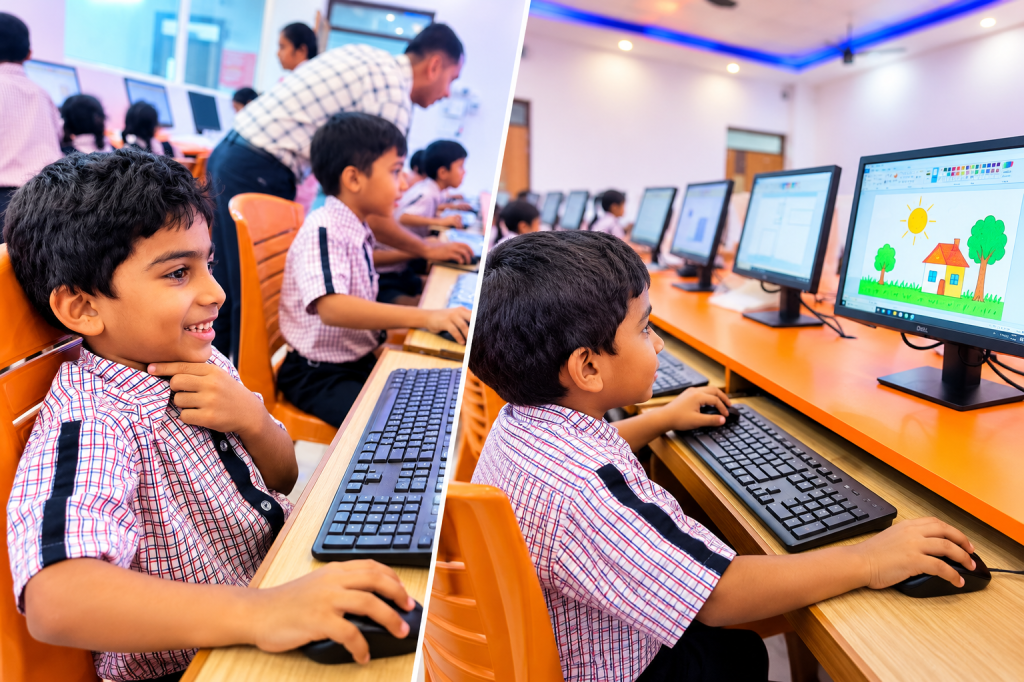
Beyond the Classroom: How Extracurricular Activities Build Future-Ready Students
Education is about much more than textbooks, examinations, and grades. While academic learning provides an important foundation, extracurricular activities help students discover their talents, develop essential life skills, and build confidence.
From sports and music to dance, art, public speaking, robotics, coding, and leadership clubs, extracurricular activities give students opportunities to learn beyond the traditional classroom.

At Bright Horizon International School, we believe that holistic education should nurture a student’s academic abilities as well as creativity, communication, confidence, leadership, and teamwork.
In this blog, let us explore the benefits of extracurricular activities in school and understand why they are an important part of a student’s overall development.
What Are Extracurricular Activities?
Extracurricular activities are organized activities that students participate in alongside their regular academic studies. They allow children to explore interests, develop new abilities, interact with peers, and gain practical experiences.
Some popular extracurricular activities include:
- Sports and athletics
- Music and dance
- Art and craft
- Drama and theatre
- Debate and public speaking
- Science and robotics clubs
- Coding and STEM activities
- Quiz competitions
- Community service
- Student leadership clubs
- Cultural activities
These experiences can make school life more engaging while helping students develop skills that complement their academic education.
Why Are Extracurricular Activities Important for Students?
Extracurricular activities provide students with opportunities to learn through participation and experience. They can help children become more confident, creative, disciplined, collaborative, and responsible.
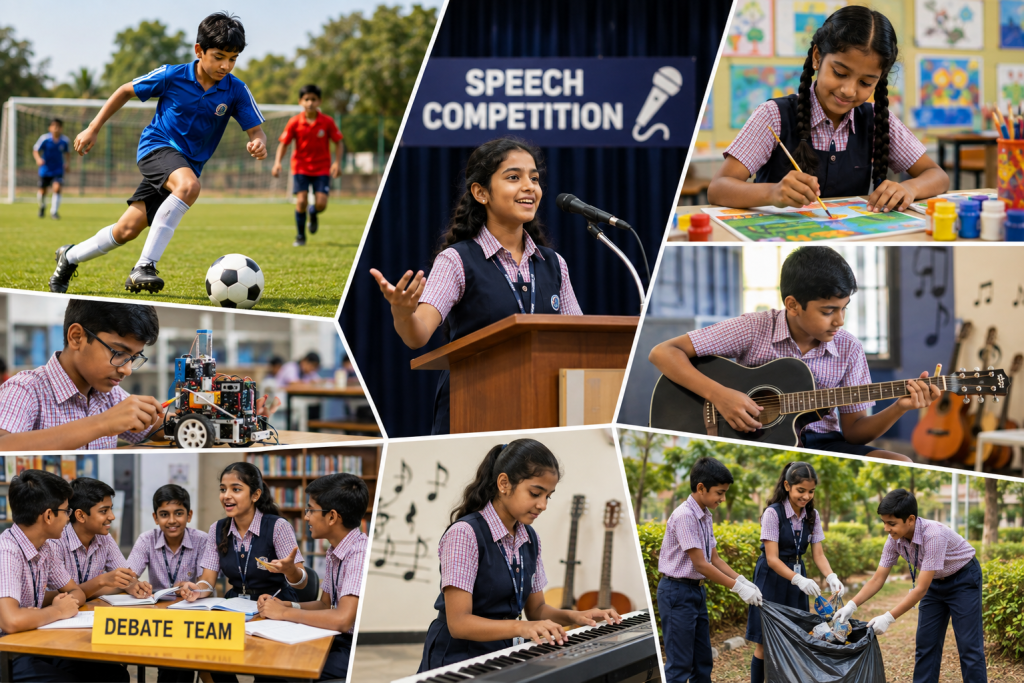
Key Benefits of Extracurricular Activities
- Builds confidence and self-esteem
- Develops leadership skills
- Encourages teamwork
- Improves communication
- Enhances creativity
- Develops discipline and responsibility
- Encourages time management
- Supports physical fitness
- Helps students explore their interests
- Promotes overall personality development
1. Supports Academic Performance
Extracurricular activities can complement classroom learning by helping students develop concentration, organization, time management, and problem-solving skills.
Students who balance academics with meaningful activities can learn to organize their schedules and manage different responsibilities.
This can support:
- Better concentration
- Improved study habits
- Time management
- Classroom participation
- Problem-solving abilities
- Greater motivation to learn
The goal is not to replace academics but to create a balanced learning experience.
2. Builds Confidence and Self-Esteem
Participating in a competition, performing on stage, presenting a project, or representing the school can give students valuable opportunities to step outside their comfort zone.
As students learn new skills and experience progress, they can become more confident in their abilities.
Confident students are more likely to:
- Express their ideas
- Participate in discussions
- Try new activities
- Accept challenges
- Take initiative
- Interact comfortably with others
3. Develops Leadership Skills
Extracurricular activities provide practical opportunities for students to take responsibility.
A student may lead a team during a sports activity, coordinate a school event, manage a club project, or represent classmates in a student leadership role.
These experiences help develop:
- Decision-making
- Responsibility
- Initiative
- Team coordination
- Problem-solving
- Accountability
Leadership learned during school can become a valuable foundation for future education and career opportunities.
4. Encourages Teamwork and Collaboration
Many activities require students to work together toward a common goal.
Whether students are participating in a sports team, preparing a cultural programme, or completing a robotics project, they learn that successful teamwork requires cooperation and communication.
Students learn to:
- Respect different opinions
- Share responsibilities
- Listen to others
- Communicate clearly
- Support teammates
- Solve problems together
5. Improves Communication Skills
Activities such as public speaking, debates, drama, presentations, and student clubs can help students become better communicators.
Regular participation gives children opportunities to practise:
- Speaking
- Listening
- Presentation
- Vocabulary
- Expression
- Body language
- Interpersonal communication
Strong communication skills can benefit students in classrooms, competitions, higher education, and everyday life.
6. Enhances Creativity and Innovation
Extracurricular activities provide students with opportunities to think creatively and experiment with ideas.
Creative skills can be developed through:
- Painting
- Music
- Dance
- Theatre
- Creative writing
- Robotics
- Coding
- Design projects
- Science exhibitions
These activities encourage students to look at problems from different perspectives and explore innovative solutions.
7. Promotes Physical Fitness
Sports and physical activities are an important part of a balanced school experience.
Activities such as football, cricket, basketball, athletics, badminton, swimming, and yoga can encourage students to stay active while developing discipline and teamwork.
Regular physical activity can support:
- Physical fitness
- Strength and coordination
- Stamina
- Flexibility
- Healthy habits
- Overall well-being
8. Helps Manage Stress and Supports Well-Being
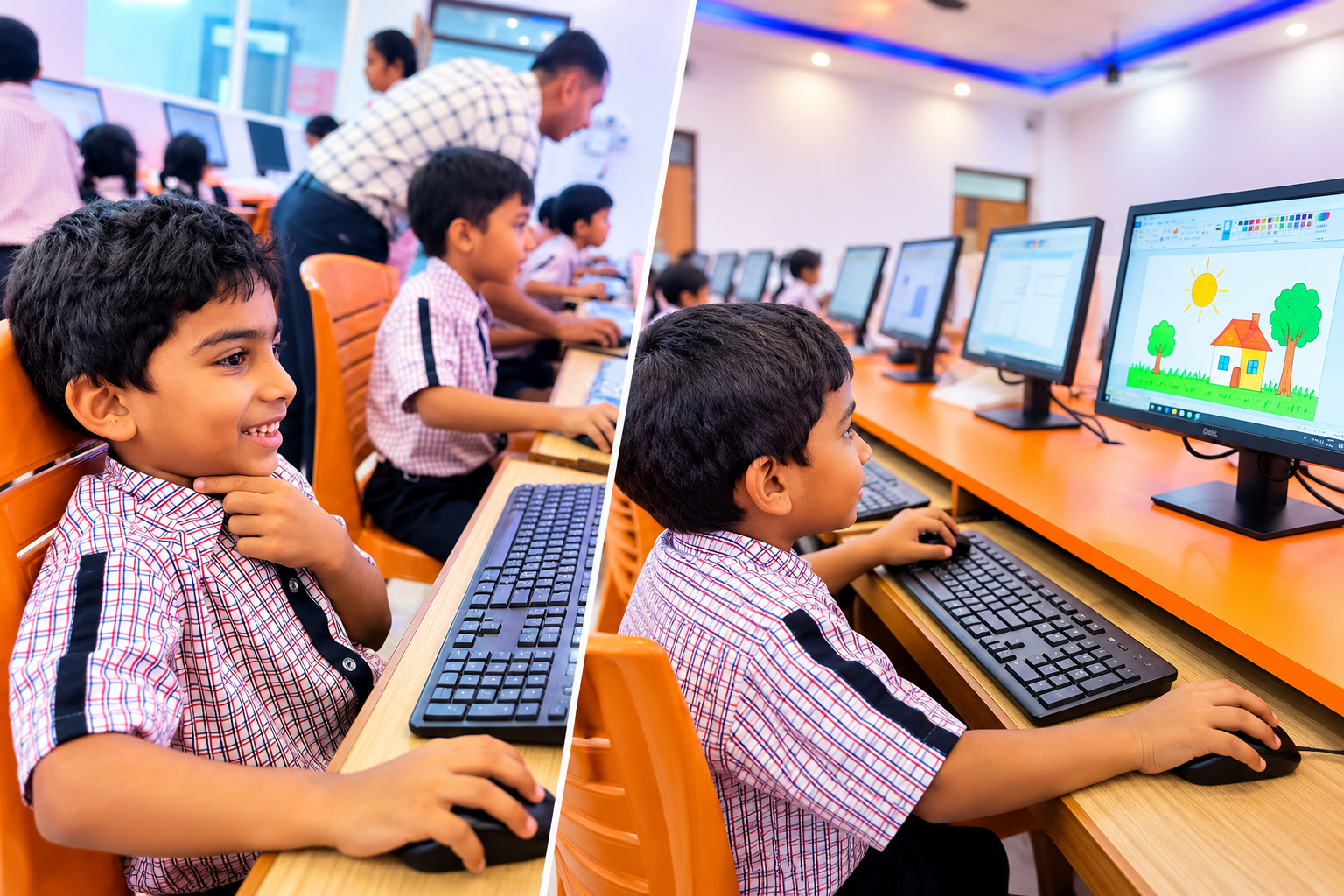
Students need opportunities to learn, relax, socialize, and express themselves.
Creative activities, sports, music, and clubs can provide healthy breaks from academic routines and encourage students to engage in activities they enjoy.
Extracurricular participation can support:
- Positive mood
- Social connection
- Confidence
- Emotional well-being
- A balanced school routine
9. Helps Students Discover Their Talents
Every student has unique interests and strengths. Classroom subjects may not always reveal every child’s abilities.
Extracurricular activities allow students to explore different areas and discover what they enjoy.
Students may find interests or talents in:
- Sports
- Music
- Dance
- Art
- Science
- Technology
- Public speaking
- Leadership
- Theatre
These experiences can help students better understand their interests and strengths.
10. Prepares Students for the Future
Success in the future requires more than academic knowledge. Students also benefit from skills such as communication, collaboration, creativity, adaptability, leadership, and time management.
Extracurricular activities provide opportunities to practise these skills in real situations.
Students can develop:
- Leadership experience
- Communication skills
- Creativity
- Teamwork
- Time management
- Adaptability
- Responsibility
- Problem-solving
These skills can support students as they move toward higher education and future careers.
Role of Schools in Encouraging Extracurricular Activities
Schools play an important role in creating opportunities for students to explore their interests.
A school can encourage participation by providing:
- Sports facilities
- Music and dance programmes
- Robotics and coding clubs
- Public speaking activities
- Student leadership opportunities
- Art and cultural programmes
- Science exhibitions
- Quiz competitions
- Community service initiatives
- Inter-school competitions
A supportive environment allows students to discover their potential while maintaining a healthy balance between academics and activities.
How Parents Can Support Extracurricular Participation
Parents can also play an important role in encouraging children to explore activities outside the classroom.
They can:
- Encourage children to choose activities based on their interests
- Appreciate effort and improvement
- Help children maintain a balanced routine
- Attend school events when possible
- Encourage children to try new experiences
- Support both academic and extracurricular development
- Avoid putting excessive pressure on winning or competition
The focus should be on participation, learning, enjoyment, and personal growth.

How to Balance Academics and Extracurricular Activities
Extracurricular activities are most beneficial when students maintain a healthy balance with their academic responsibilities.
A simple routine can include:
Study → Activity → Rest → Revision → Family & Recreation
Students can use a timetable to organize homework, study time, sports, clubs, hobbies, and adequate rest.
The objective is to help students enjoy extracurricular activities without compromising their academic responsibilities or well-being.
Extracurricular Activities at Bright Horizon International School
At Bright Horizon International School, education is viewed as a journey that develops the whole child.
With the guidance and vision of Chairman Dr. Sharath Gore, the school focuses on providing students with opportunities to develop academic knowledge alongside communication, creativity, leadership, confidence, teamwork, and essential life skills.
Through sports, cultural programmes, public speaking, creative activities, technology-based learning, competitions, and leadership opportunities, students are encouraged to discover their abilities and participate actively in school life.
These experiences help students become more confident learners and prepare them to approach future opportunities with curiosity, responsibility, and confidence.
Summary
Extracurricular activities are an essential part of holistic education. They provide students with opportunities to explore their interests, build confidence, develop leadership, improve communication, practise teamwork, and strengthen creativity.
A strong school education should prepare students not only for examinations but also for real-life challenges. By combining quality academics with meaningful extracurricular opportunities, schools can help students become confident, capable, creative, responsible, and future-ready individuals.


Leave a Reply