

A Parent’s Guide to School Safety: What to Check Before Admission
Choosing the right school is one of the most important decisions parents make for their child’s future. While academic excellence, experienced teachers, and modern facilities are essential, student safety should always be a top priority.
A safe and supportive school environment allows children to learn confidently, participate in activities, build friendships, and develop essential life skills. From secure campuses and trained staff to transportation, health facilities, emergency preparedness, and digital safety, every aspect of school safety matters.
In this blog, let’s explore the important school safety measures every parent should check before choosing a school.
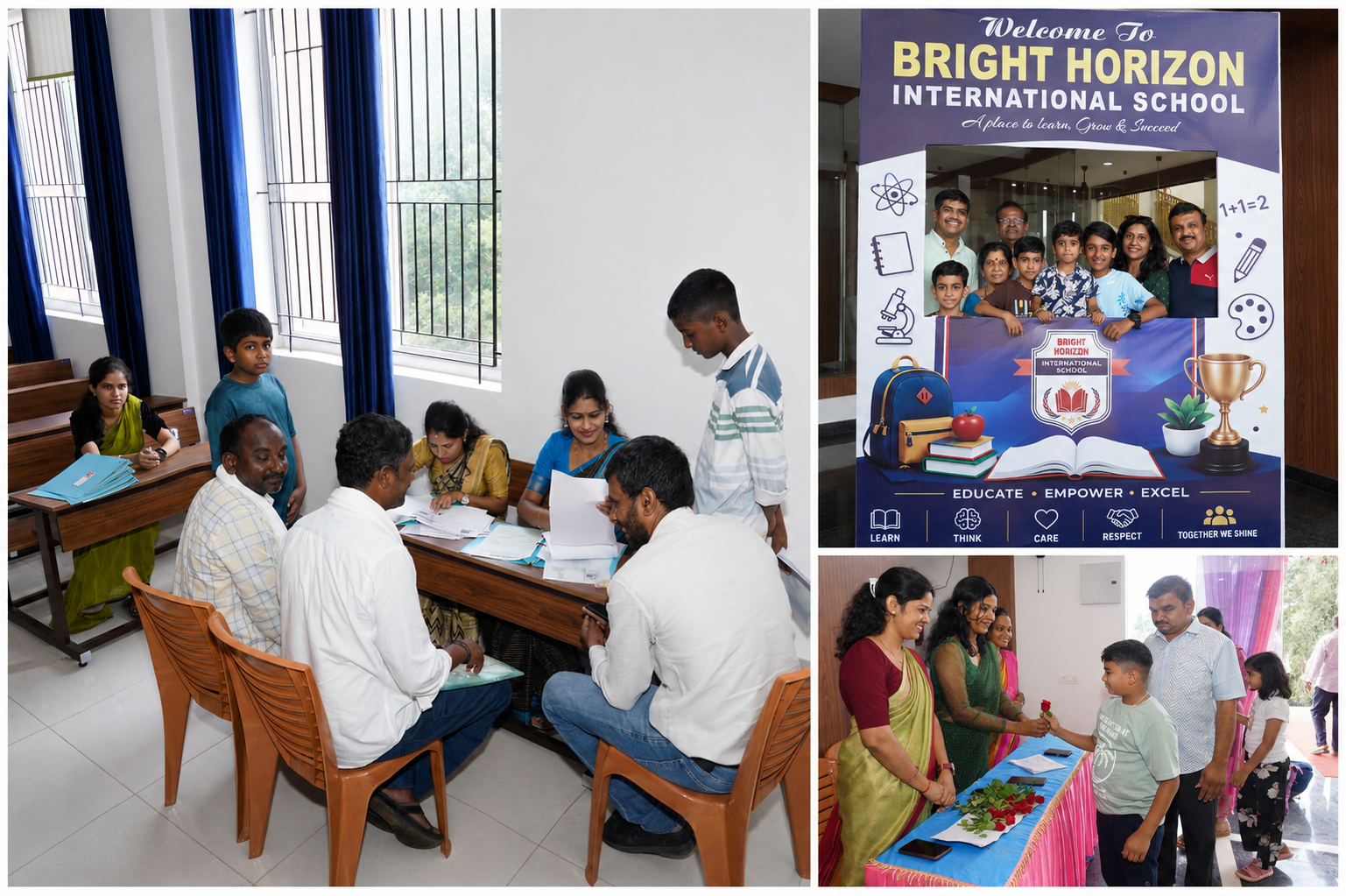
Why School Safety Is Important
A safe school environment helps students feel comfortable and confident while learning. When children feel secure, they can focus better on academics and participate actively in school activities.
Benefits of a Safe School Environment
- Better concentration and learning
- Improved emotional well-being
- Greater student confidence
- Positive school experience
- Stronger parent-school trust
- Supportive learning environment
1. Secure School Campus
Parents should first check whether the school has a secure campus with properly controlled entry and exit points.
Important safety features may include:
- Gated campus
- Security personnel
- Visitor verification
- Controlled entry and exit
- Student identification systems
These measures help create a more secure environment for students.
2. CCTV Surveillance
CCTV surveillance can help schools monitor important areas such as entrances, corridors, classrooms, and common spaces.
Parents can ask whether:
- CCTV cameras are installed in appropriate areas
- Cameras are regularly monitored
- Security procedures are in place
- Footage is handled responsibly
3. Trained Teachers and Staff
Teachers and support staff play an important role in student safety. Schools should have clear safety procedures and provide appropriate training to staff.
Training can cover:
- Student supervision
- First aid
- Emergency procedures
- Fire safety
- Child protection
- Evacuation procedures
4. First Aid and Medical Support
Parents should understand what medical support is available on campus.
Check whether the school provides:
- First-aid facilities
- Trained personnel
- Emergency medical procedures
- Access to nearby medical services
- Appropriate student health information systems
5. Fire Safety and Emergency Preparedness
A responsible school should have plans for responding to emergencies.
Parents can check for:
- Fire extinguishers
- Emergency exits
- Smoke detection systems
- Evacuation plans
- Regular safety drills
Emergency preparedness helps students and staff understand how to respond calmly when necessary.
6. Safe School Transportation
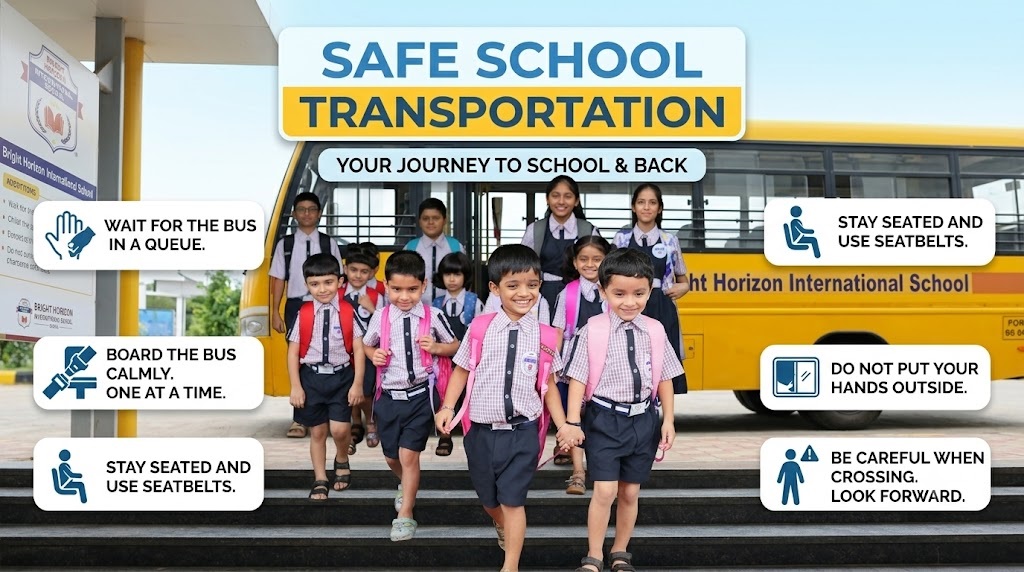
School safety should continue even when students are travelling to and from school.
Parents should look for:
- Well-maintained buses
- Verified drivers
- Trained attendants
- GPS-enabled transportation where available
- Appropriate student supervision
- Regular vehicle safety checks
7. Clean and Hygienic Facilities
Clean classrooms, washrooms, drinking-water facilities, and common areas contribute to a healthy school environment.
Parents should observe:
- Classroom cleanliness
- Washroom hygiene
- Safe drinking water
- Clean dining areas
- Proper waste disposal
8. Anti-Bullying and Student Well-Being Policies
Students deserve a respectful and supportive environment.
Parents should ask about the school’s approach to:
- Bullying prevention
- Student counseling
- Reporting concerns
- Teacher supervision
- Positive discipline
- Student well-being
A school culture built on respect can help students feel more comfortable and supported.
9. Digital Safety Awareness
Technology is increasingly becoming part of modern education. Schools should also help students understand responsible and safe technology use.
Digital safety education can include:
- Responsible internet use
- Online privacy
- Cyberbullying awareness
- Digital citizenship
- Safe use of learning platforms
10. Strong Parent-School Communication
Good communication between parents and school management is an important part of student safety.
Schools can maintain communication through:
- Parent-teacher meetings
- School communication apps
- Email or SMS updates
- Emergency notifications
- Regular student progress updates
Clear communication helps parents stay informed about their child’s school experience.
Questions Parents Should Ask Before Admission
Before choosing a school, parents can ask:
- How is the campus secured?
- Are CCTV cameras installed?
- How are visitors monitored?
- What first-aid facilities are available?
- What emergency procedures are followed?
- How is school transportation managed?
- What policies are in place to prevent bullying?
- How does the school communicate with parents during emergencies?
These questions can help parents make a more informed school-selection decision.
How Schools Can Build a Safer Learning Environment
A student-friendly school can strengthen safety by:
- Maintaining secure infrastructure
- Training teachers and support staff
- Conducting regular safety checks
- Organizing emergency drills
- Promoting cleanliness and hygiene
- Supporting student well-being
- Encouraging respectful behaviour
- Maintaining open communication with parents
Safety is not just about infrastructure—it is about creating an environment where every child feels secure, respected, supported, and ready to learn.
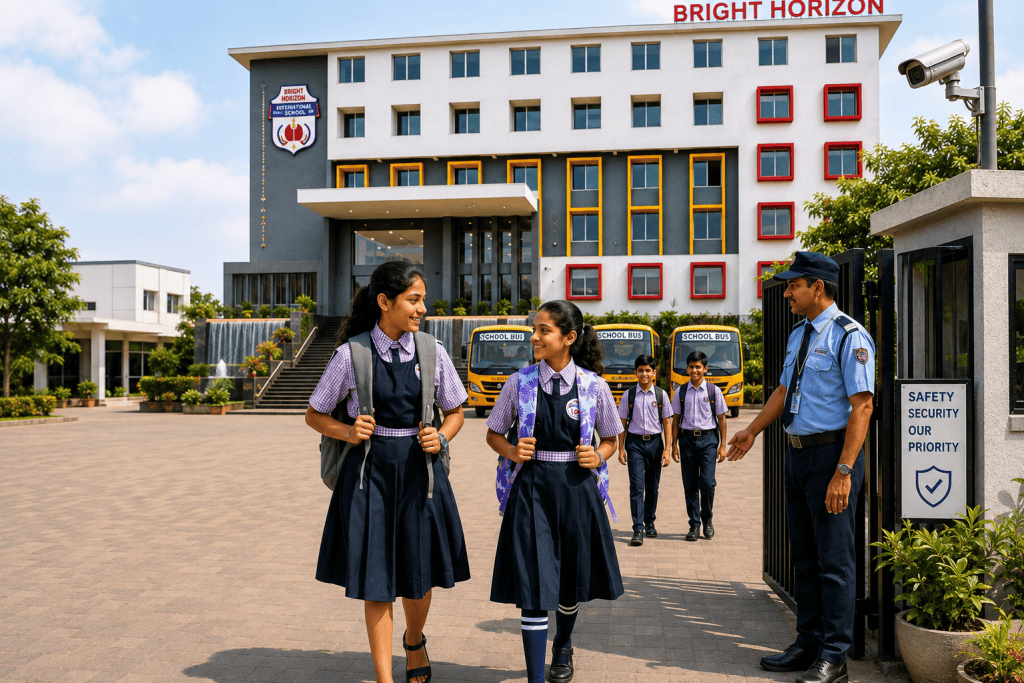
Why Bright Horizon International School is a Great Choice for Your Child
At Bright Horizon International School, education focuses on developing the whole child through academics, activities, communication, creativity, confidence, and essential life skills.
Guided by Dr. Sharath Gore, an educator with 15 years of experience and recipient of the Karnataka Shikshana Ratna Award, the school aims to create a supportive learning environment where students can develop their abilities and prepare for a successful future.
From academic learning and extracurricular activities to technology-enabled education and student development, Bright Horizon International School focuses on providing children with opportunities to learn, explore, grow, and become future-ready individuals.
summary
Choosing a school is about more than academics and facilities. Student safety should be one of the most important factors parents consider before admission.
A secure campus, trained staff, first-aid facilities, emergency preparedness, safe transportation, hygiene, anti-bullying measures, digital safety, and strong parent-school communication all contribute to a positive learning environment.
When parents carefully evaluate these factors, they can make a confident decision and choose a school where their child can learn safely, grow confidently, and build a strong foundation for the future.


Leave a Reply