

Academic success is important, but a truly meaningful education goes beyond textbooks and examinations. Sports and physical activity play an important role in a student’s overall development, helping build concentration, discipline, confidence, teamwork, leadership, and healthy habits.
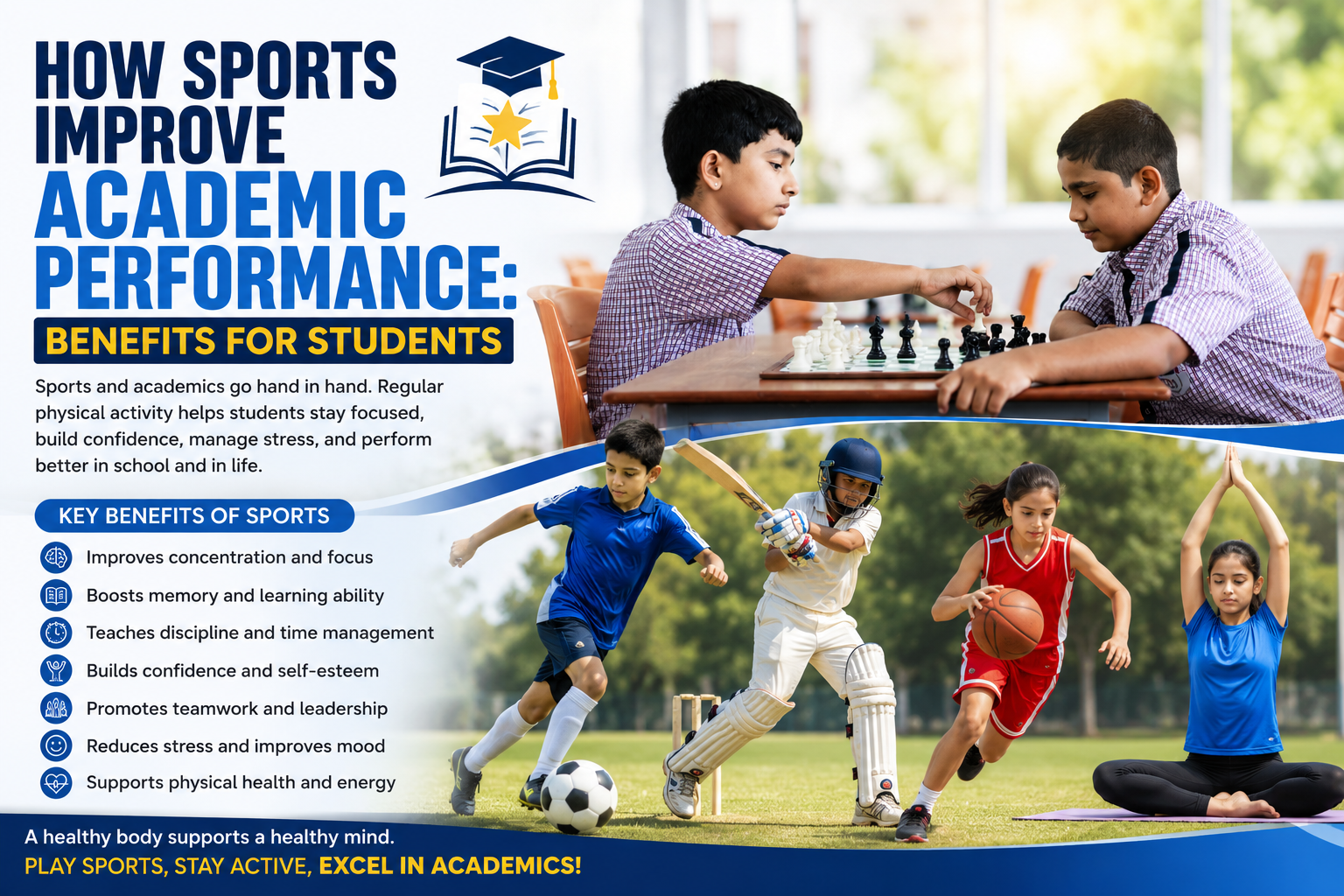
Students who regularly participate in sports can develop skills that support their classroom learning and personal growth. From improving focus and time management to reducing stress and encouraging teamwork, sports can complement academic education in many ways.
At Bright Horizon International School, we believe that a balanced education should nurture the mind, body, and character. Encouraging students to participate in sports helps create healthier, more confident, and well-rounded learners.
Why Are Sports Important in Education?
Sports are much more than games. They provide students with opportunities to learn valuable life skills while staying physically active.
Key Benefits of Sports for Students
- Improves concentration and focus
- Supports memory and cognitive development
- Develops discipline and responsibility
- Builds confidence
- Encourages teamwork and communication
- Helps manage everyday stress
- Promotes physical fitness
- Develops leadership and decision-making skills
- Strengthens time-management habits
1. Sports Can Improve Concentration and Focus
Physical activity gets students moving and can help them feel more alert and ready to learn. Taking part in sports also gives students a healthy break from prolonged academic work.
Better focus can support:
- Classroom attention
- Task completion
- Learning engagement
- Problem-solving
2. Supports Brain Function and Learning
Regular physical activity is associated with benefits for brain health and cognitive functioning. Activities such as football, cricket, basketball, swimming, badminton, and athletics give students opportunities to stay active while developing physical and mental skills.
When students maintain an active lifestyle, physical well-being and learning can work together to support their education.
3. Teaches Time Management
Balancing schoolwork, sports practice, homework, rest, and other activities teaches students how to organize their time.
Sports participation can encourage students to:
- Plan their daily schedules
- Complete assignments on time
- Prepare for assessments systematically
- Avoid unnecessary procrastination
4. Builds Discipline and Responsibility
Sports require regular practice, commitment, patience, and respect for rules. These habits can also influence how students approach their academic responsibilities.
Through sports, students learn to:
- Set realistic goals
- Follow routines
- Stay committed
- Take responsibility for their actions
- Respect teammates, coaches, and rules
5. Helps Students Manage Stress
Schoolwork, examinations, and busy schedules can sometimes feel overwhelming. Physical activity offers students a positive way to take a break, stay active, and refresh their minds.
Regular activity can support:
- Better mood
- Emotional well-being
- Motivation
- Healthy stress management
A balanced routine gives students time for both learning and recreation.
6. Builds Confidence and Self-Esteem
Learning a new skill, improving performance, contributing to a team, or reaching a personal goal can help students develop confidence.
This confidence can encourage students to:
- Participate in classroom activities
- Speak in front of others
- Take on new challenges
- Accept feedback
- Develop leadership qualities
7. Develops Teamwork and Communication
Team sports teach students how to cooperate with others and work toward a shared objective.
Students can develop:
- Communication
- Collaboration
- Leadership
- Decision-making
- Respect for others
- Conflict-management skills
These abilities are valuable in classrooms, future careers, and everyday life.
8. Encourages School Engagement
Sports can make school life more engaging by giving students opportunities to participate beyond regular classroom activities.
Sports events, clubs, competitions, and physical education programmes can help students feel more connected to their school community.
9. Supports Physical Health
Regular physical activity supports overall fitness and healthy development during childhood and adolescence.
Sports can contribute to:
- Stronger muscles and bones
- Cardiovascular fitness
- Flexibility
- Stamina
- Coordination
- Overall physical well-being
Healthy habits developed during school years can become valuable lifelong habits.
10. Develops Leadership Skills
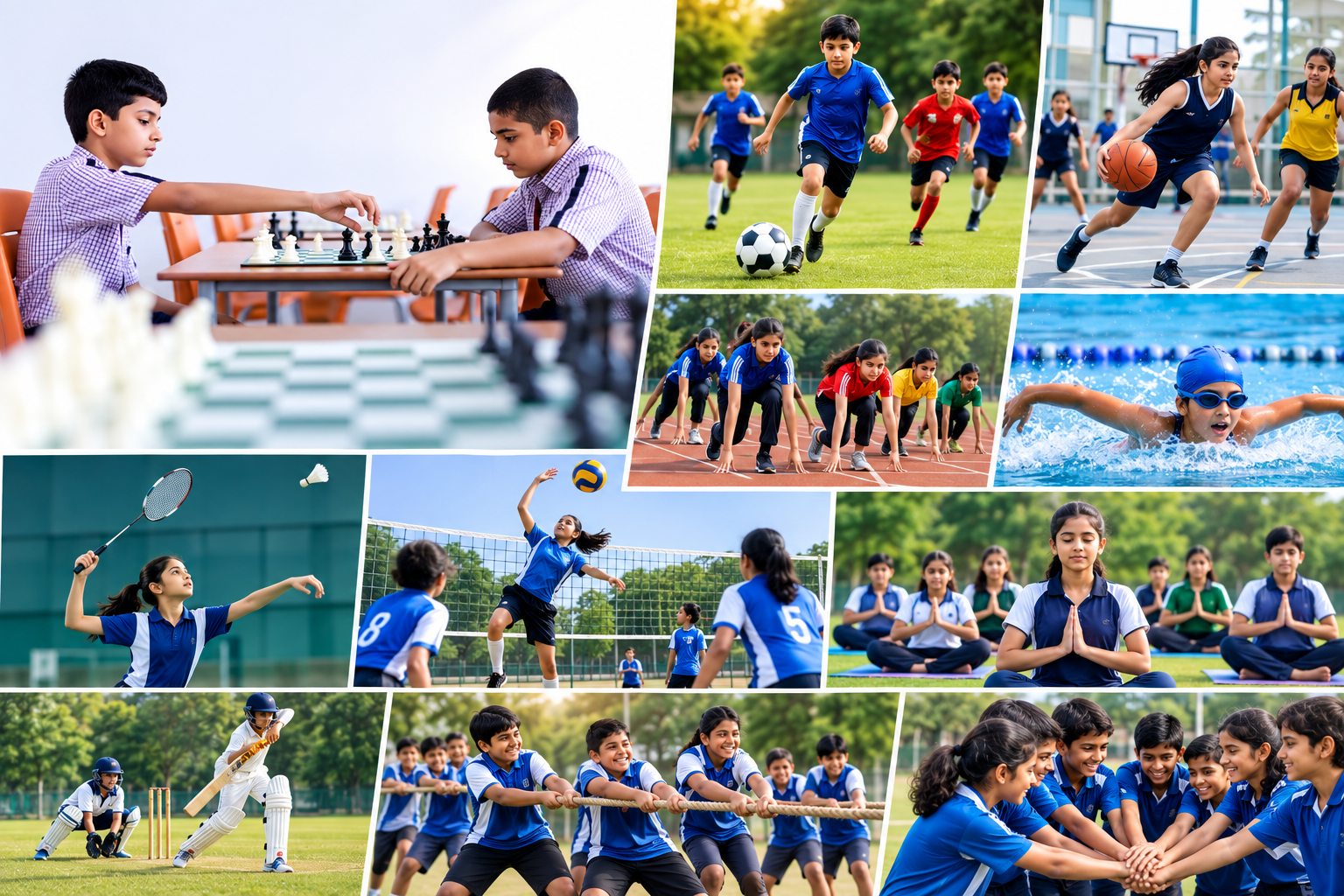
Sports provide students with opportunities to take responsibility, support teammates, and make decisions.
Through sports, students can practise:
- Leadership
- Responsibility
- Decision-making
- Resilience
- Motivation
- Team coordination
These skills can help prepare students for future academic, professional, and personal challenges.
Popular Sports Students Can Explore
Schools can encourage students to participate in different activities according to their interests and abilities, including:
- Cricket
- Football
- Basketball
- Volleyball
- Badminton
- Athletics
- Swimming
- Tennis
- Yoga
- Martial arts
The goal is not simply competition—it is to help students stay active, learn teamwork, and enjoy physical activity.
How Schools Can Encourage Sports Participation
Schools can create a strong sports culture by:
- Providing suitable sports facilities
- Organizing annual sports events
- Encouraging inter-school competitions
- Offering trained coaching
- Providing regular physical education
- Recognizing students’ sporting achievements
- Giving students opportunities to try different activities
When schools make physical activity an integral part of education, students can experience a more balanced learning environment.
How Parents Can Encourage Children to Play Sports
Parents also have an important role in helping children develop active habits.
They can:
- Encourage outdoor play and physical activity
- Support participation in sports
- Create a balanced daily routine
- Attend school sports events when possible
- Encourage healthy lifestyle habits
- Appreciate effort, improvement, and participation—not only winning
The combined support of parents and schools can help students develop positive attitudes toward physical activity.
Sports and Academics: Finding the Right Balance
Sports and academics should not be viewed as competing priorities. With proper planning, students can make time for both studies and physical activity.
A balanced routine can include:
Study → Physical Activity → Rest → Revision → Recreation
The right balance helps students make room for learning while also taking care of their physical and emotional well-being.
summary
Sports are an essential part of a well-rounded school education. They can support concentration, confidence, discipline, teamwork, time management, and leadership, while also promoting physical fitness and healthy habits.
Education should prepare students not only for examinations but also for the challenges of everyday life. By combining strong academics with meaningful sports opportunities, schools can help students grow into healthy, confident, disciplined, and future-ready individuals.

Shaping Future-Ready Students at Bright Horizon International School
Guided by Dr. Sharath Gore, an educator with 15 years of experience and recipient of the Karnataka Shikshana Ratna Award, Bright Horizon International School focuses on developing students through a balanced approach to academics, sports, skills, values, and overall personality development.
At Bright Horizon International School, every student is encouraged to learn, play, grow, and excel.


Leave a Reply