

Dr. A. P. J. Abdul Kalam Residential School – Quality Education and Residential Learning in Karnataka
Introduction
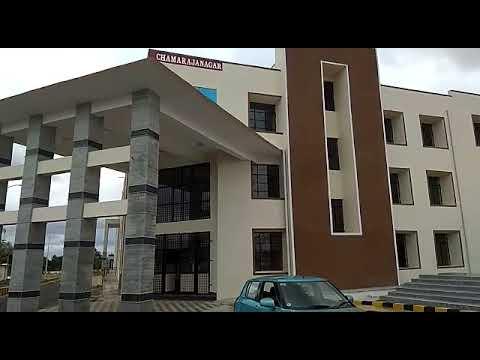
Dr. A. P. J. Abdul Kalam Residential School is a name associated with residential educational institutions in Karnataka, India. Named after India’s former President and renowned scientist Dr. A. P. J. Abdul Kalam, these schools aim to provide students with opportunities to pursue education in a structured learning environment. Several institutions bearing this name operate within Karnataka’s residential schooling system, with individual campuses differing in their management, curriculum, facilities and admission policies.
Background and Management
Residential schools named after Dr. A. P. J. Abdul Kalam are associated with the broader effort to improve access to education for students from disadvantaged backgrounds. Some such institutions operate under government-supported residential education programmes, including initiatives administered by Karnataka’s Minority Welfare Department.
The management structure, eligibility requirements and facilities may vary between campuses. Parents should confirm the administrative details of the specific school they are considering before applying for admission.
Academic Programmes and Curriculum
Academic education is the primary focus of residential schools. Depending on the individual campus, students may receive instruction under the Central Board of Secondary Education (CBSE) or the Karnataka State Board. The classes offered also vary, so parents should verify the current curriculum and board affiliation directly with the school.
A structured academic programme helps students develop knowledge in languages, mathematics, science, social science and other subjects. Classroom teaching, assignments, examinations and teacher guidance support students in strengthening their understanding and preparing for higher education.
Residential Facilities and Student Life
One of the important features of a residential school is the opportunity for students to live and learn in an organised campus environment. Depending on the institution, facilities may include hostel accommodation, dining arrangements, study areas and supervised daily routines.
Residential education can encourage independence, discipline, time management and cooperation. Living alongside other students also gives children opportunities to develop communication skills, respect different perspectives and build lasting friendships.
Parents should enquire about hostel capacity, food arrangements, healthcare access, supervision, security and student welfare policies before choosing a residential school.
Holistic Development and Extracurricular Activities
Education involves more than academic achievement. Sports, cultural programmes, group activities, competitions and other extracurricular opportunities can contribute to students’ physical, social and emotional development.
A balanced school environment encourages students to discover their interests, develop leadership qualities and learn the importance of teamwork. Parents can ask the school about its sports facilities, cultural activities and other opportunities available to students.
Admissions and Eligibility
Admission procedures for Dr. A. P. J. Abdul Kalam Residential Schools depend on the particular institution and the government programme under which it operates. Eligibility may be influenced by the student’s class, age, category, family circumstances and other applicable admission rules.
Parents should contact the relevant school or department to confirm application dates, required documents, eligibility criteria, fee details and the availability of residential accommodation. They should also verify whether the school offers admission to the required grade.
Summary
Dr. A. P. J. Abdul Kalam Residential School is a name associated with residential education opportunities in Karnataka. Such institutions can help students access structured academic learning and, where provided, residential support. By checking the curriculum, management, hostel facilities, eligibility requirements and student welfare arrangements of the specific campus, parents can make an informed decision about their children’s education.
For accurate admission information, families should consult the official authorities responsible for the individual school.


Leave a Reply