

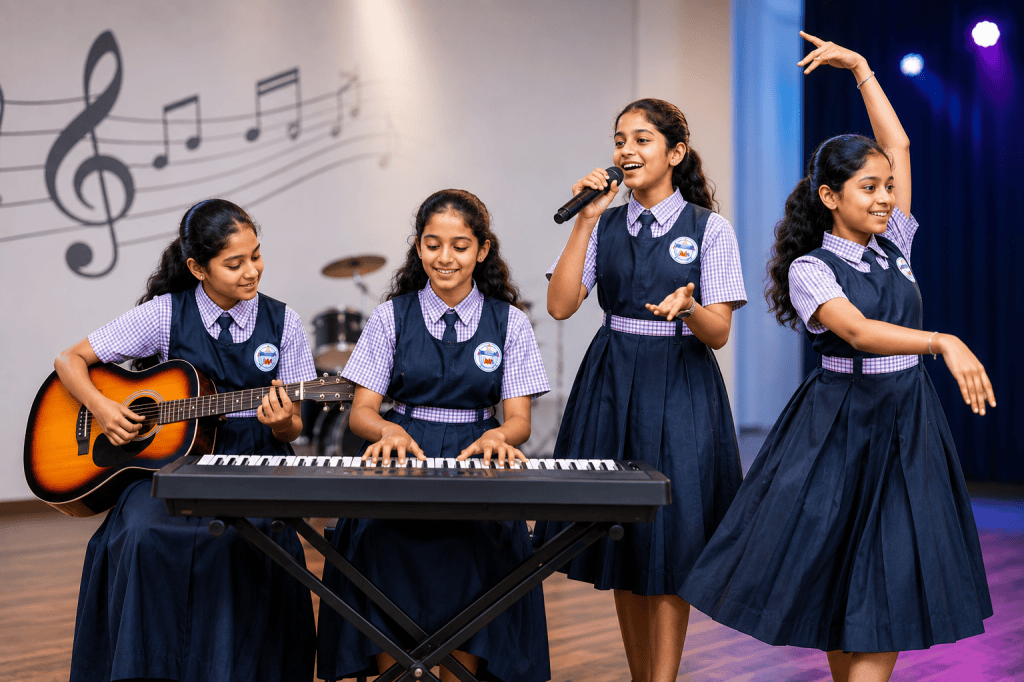
Benefits of Music and Dance in School: Nurturing Creative, Confident, and Well-Rounded Students
Education is about more than textbooks, examinations, and academic results. A well-rounded education also gives students opportunities to explore creativity, express themselves, build confidence, and develop important life skills.
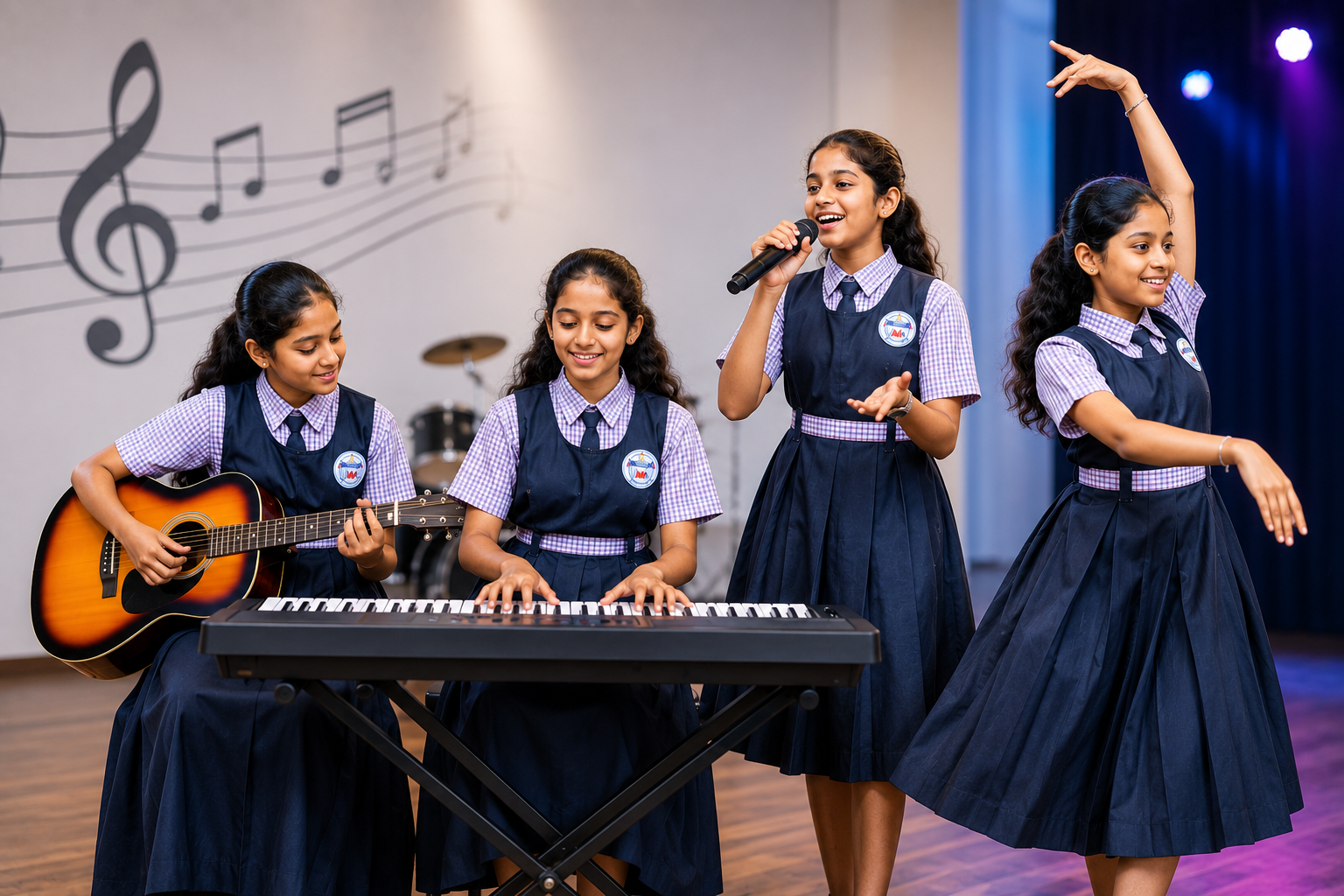
Music and dance in school can play an important role in this development. From improving concentration and coordination to encouraging teamwork and self-expression, performing arts can complement classroom learning in meaningful ways.
Let’s explore the key benefits of music and dance for students.
1. Enhances Creativity and Imagination
Music and dance encourage students to express their ideas and emotions creatively. Learning melodies, rhythms, movements, and choreography gives children opportunities to explore their imagination.
Creative activities can help students develop:
- Imaginative thinking
- Self-expression
- Innovative ideas
- Problem-solving abilities
- Creative confidence
These skills can also support learning across different academic subjects.
2. Supports Academic Learning
Learning music and dance involves attention, practice, memory, sequencing, and coordination. These experiences can complement students’ learning habits and encourage concentration and discipline.
Students can develop:
- Better listening skills
- Improved concentration
- Memory and recall
- Pattern recognition
- Time-management habits
Performing arts should complement—not replace—academic learning, creating a balanced educational experience.
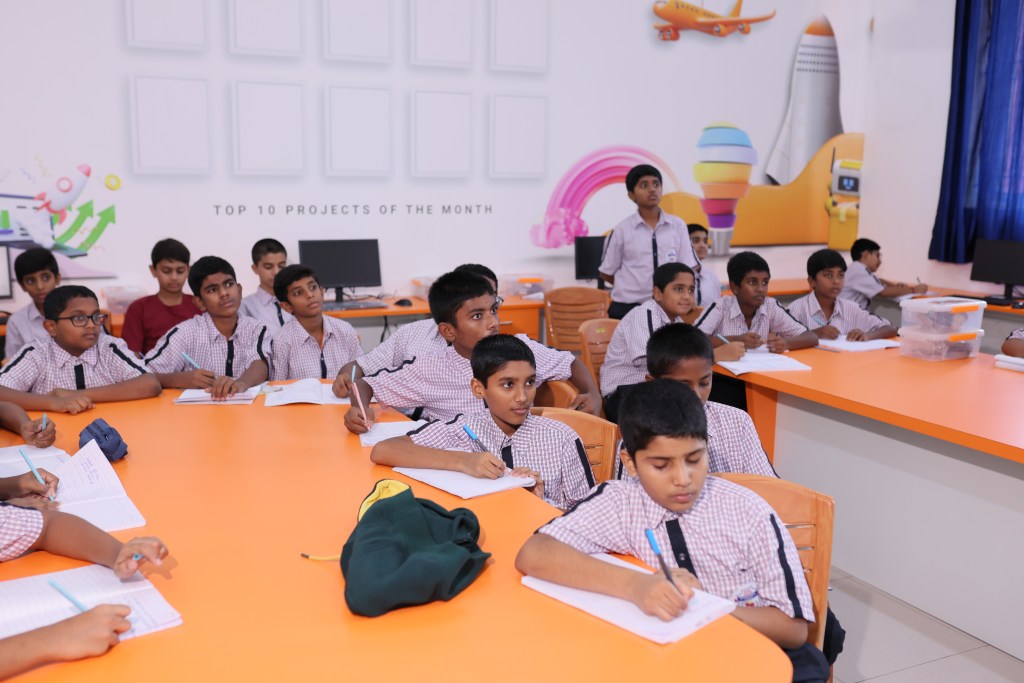
3. Builds Self-Confidence
Performing on stage can give students valuable opportunities to express themselves in front of others.
Through school performances and cultural programs, students can learn to:
- Present themselves confidently
- Express ideas and emotions
- Accept constructive feedback
- Overcome nervousness
- Appreciate their own progress
Confidence developed through performing arts can benefit students in classrooms and everyday situations.
4. Supports Emotional Well-Being
Music and dance can provide positive opportunities for students to express themselves and enjoy creative activities.
Participating in the arts can encourage:
- Emotional expression
- Relaxation
- Positive thinking
- Social connection
- Enjoyment and engagement
A balanced school experience can help students maintain a positive relationship with learning.
5. Encourages Teamwork and Collaboration
Many performances involve groups of students working together. Whether it is a dance team, choir, musical performance, or cultural program, students must cooperate to achieve a shared goal.
They learn important skills such as:
- Teamwork
- Communication
- Responsibility
- Patience
- Respect
- Leadership
These skills are useful throughout education and future careers.
6. Improves Physical Fitness
Dance provides an enjoyable way for students to stay active. Regular movement can support physical development while making exercise engaging.
Dance can help develop:
- Balance
- Coordination
- Flexibility
- Strength
- Stamina
- Body awareness
Encouraging students to stay active also supports a healthy and balanced lifestyle.

7. Develops Discipline and Perseverance
Learning an instrument or mastering a dance routine takes regular practice and patience. Students gradually understand that improvement comes through consistent effort.
Music and dance can help develop:
- Self-discipline
- Patience
- Goal-setting
- Commitment
- Time management
- Perseverance
These habits can also support students in their academic journey.
8. Strengthens Memory and Concentration
Remembering musical patterns, rhythms, notes, lyrics, or choreography requires students to pay attention and practice recall.
Performing arts can encourage:
- Focus
- Active listening
- Memory skills
- Attention to detail
- Information retention
These skills can complement students’ classroom learning.
9. Promotes Cultural Awareness
Music and dance provide an excellent way for children to learn about different cultures and traditions.
Through cultural events and performances, students can develop:
- Respect for diversity
- Cultural awareness
- Appreciation of traditions
- Social understanding
- A broader worldview
Learning about different forms of artistic expression can encourage empathy and respect for others.
10. Encourages Lifelong Learning
A child’s interest in music or dance can continue beyond school. Students may develop hobbies and passions that become meaningful parts of their lives.
Whether they learn an instrument, participate in dance, enjoy singing, or simply appreciate the arts, these experiences can encourage curiosity and lifelong learning.
Why Choose Bright Horizon International School?
Education, Values, and Success
Guided by Chairman Dr. Sharath Gore, an educator with 15 years of experience and recipient of the Karnataka Shikshana Ratna Award, Bright Horizon International School focuses on academic excellence along with holistic student development.
The school encourages students to explore their interests, develop confidence, and build skills that can prepare them for the future.
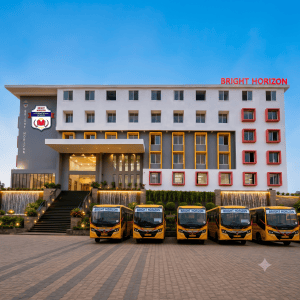
We Offer:
- 📘 CBSE Curriculum
- 🧠 Smart Digital Classrooms
- 👨🏫 Experienced & Dedicated Faculty
- 🤖 STEM, Robotics & Innovation Labs
- 🎵 Music, Dance & Performing Arts Programs
- ⚽ Sports and Physical Education
- 📚 Individual Student Attention
- 🛡️ Safe & Secure Campus
- 🌱 Character & Value-Based Education
- 🌍 Modern Learning Infrastructure
Admissions Open for 2027–28
Give your child an education that inspires learning, creativity, confidence, and lifelong success.
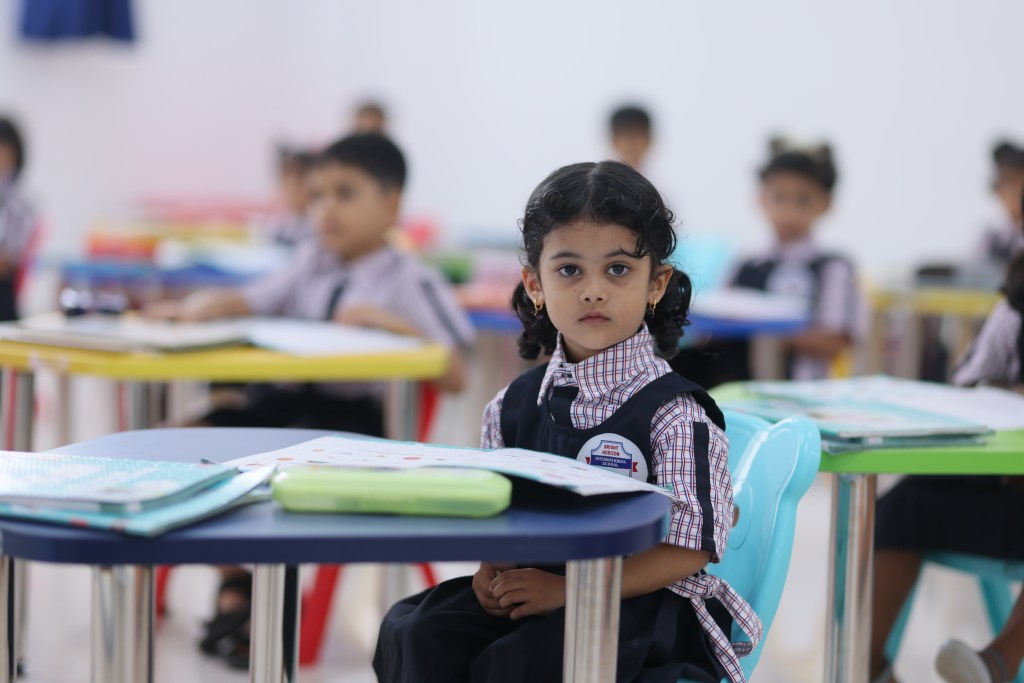
How Bright Horizon International School Promotes Performing Arts
At Bright Horizon International School, we believe every child has unique abilities and interests that deserve opportunities to grow.
Alongside academics, students can explore creative activities such as music, dance, drama, cultural programs, and other extracurricular experiences.
The school aims to provide opportunities for students to:
- Participate in cultural celebrations
- Perform during school events
- Explore creative expression
- Develop confidence on stage
- Work collaboratively with peers
- Discover and nurture their talents
- Balance academics with extracurricular activities
This balanced approach helps create an engaging educational environment where students can learn, create, participate, and grow.
Summary
Music and dance are much more than extracurricular activities. They can help students develop creativity, confidence, concentration, discipline, teamwork, physical coordination, and emotional expression.
When schools combine strong academics with opportunities in music, dance, sports, arts, and other activities, students receive a more balanced educational experience.
At Bright Horizon International School, we believe every child should have opportunities to learn, explore, perform, and discover their potential.
With the right guidance and opportunities, every student can find their own way to learn, grow, and shine.


Leave a Reply