

The Role of Robotics in Modern Education: Preparing Students for the Future
The Role of Robotics in Modern Education | Why Every School Should Embrace Robotics
Discover how robotics education enhances creativity, critical thinking, coding, teamwork, and problem-solving skills while preparing students for future careers in science, technology, engineering, and mathematics (STEM).
The Role of Robotics in Modern Education: Preparing Students for Tomorrow’s World
Technology is transforming every aspect of our lives, and education is no exception. Today’s students are growing up in a world driven by artificial intelligence, automation, and smart technologies. To succeed in this rapidly evolving environment, students need more than textbook knowledge—they need practical skills, creativity, and confidence to solve real-world problems.
Robotics has emerged as one of the most exciting and impactful learning tools in modern education. By combining science, technology, engineering, mathematics (STEM), coding, and design thinking, robotics enables students to learn through hands-on experiences while developing skills that will remain valuable throughout their lives.
What Is Robotics Education?
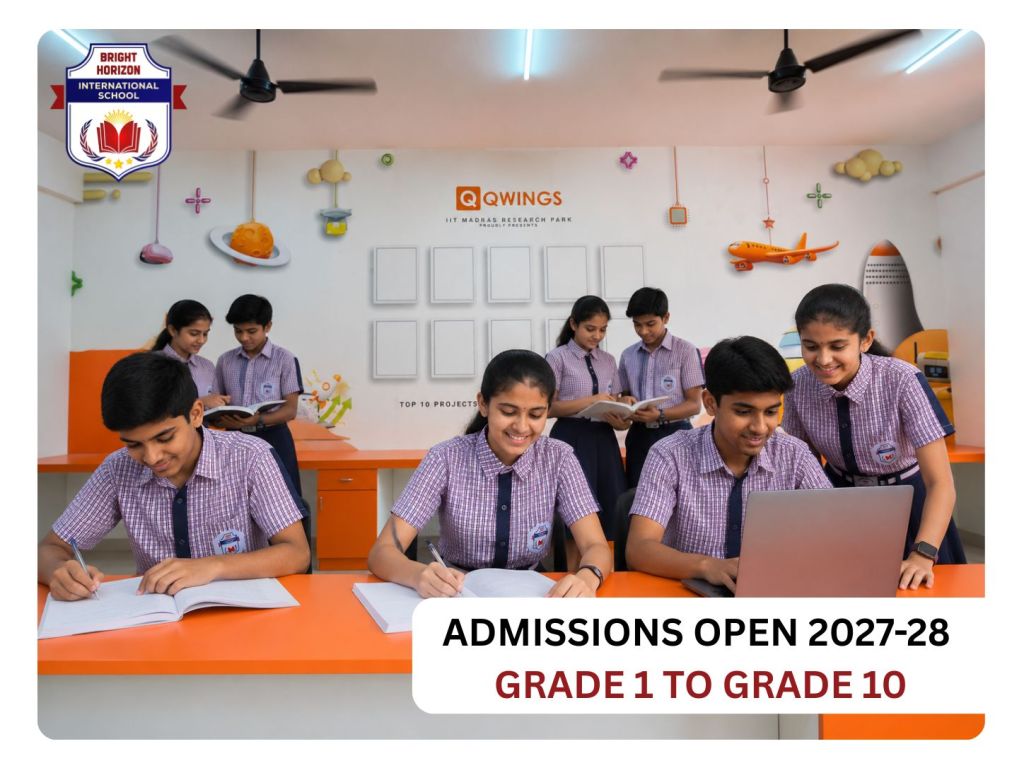
Robotics education introduces students to the process of designing, building, programming, and operating robots. Rather than simply learning theories, students actively create solutions, test their ideas, identify mistakes, and improve their designs.
Whether assembling a basic robotic model in primary school or programming advanced robots in higher grades, students experience learning that is interactive, engaging, and meaningful.
Why Robotics Is Becoming Essential in Schools
As industries continue to adopt automation and digital technologies, employers increasingly seek professionals with strong analytical and technical abilities. Robotics education helps students build these competencies from an early age.
It also makes learning enjoyable. Instead of memorizing concepts, students explore, experiment, and innovate. This practical approach strengthens understanding and increases enthusiasm for learning.
Benefits of Robotics in Modern Education
- Enhances Critical Thinking and Problem-Solving
Building a robot requires students to identify challenges, analyze situations, and develop effective solutions. Every obstacle becomes an opportunity to think creatively and improve.
- Encourages Creativity and Innovation
Robotics allows students to transform ideas into working models. They learn that imagination, combined with knowledge and perseverance, can produce innovative solutions.
- Strengthens STEM Learning
Robotics naturally integrates Science, Technology, Engineering, and Mathematics into a single learning experience. Students understand how these subjects connect and apply to real-life situations.
- Introduces Coding in an Engaging Way
Programming is a key part of robotics. Students learn coding concepts such as logic, sequencing, loops, and problem-solving while controlling the movements and actions of robots.
- Improves Teamwork and Communication
Many robotics projects are completed in groups, encouraging students to collaborate, share ideas, divide responsibilities, and communicate effectively.
- Builds Confidence
Successfully building and programming a robot gives students a sense of accomplishment. This confidence encourages them to tackle more complex challenges with enthusiasm.
- Develops Perseverance
Robotics teaches students that mistakes are part of learning. Testing, debugging, and improving designs help them develop patience, resilience, and a growth mindset.
Real-World Skills Students Gain Through Robotics
Students involved in robotics develop valuable life and career skills, including:
- Logical reasoning
- Computational thinking
- Creativity
- Leadership
- Collaboration
- Communication
- Design thinking
- Time management
- Analytical thinking
- Adaptability
These skills are beneficial not only in engineering and technology but also in medicine, business, research, and entrepreneurship.
Robotics Across Different Grade Levels
Primary School
Young learners begin with simple robotic kits that introduce movement, sequencing, and basic programming while making learning fun.
Middle School
Students work on more advanced projects involving sensors, motors, coding, and engineering concepts that strengthen logical thinking.
High School
Senior students design sophisticated robotic systems, participate in competitions, and apply robotics to solve real-world problems. They also gain exposure to artificial intelligence, automation, and the Internet of Things (IoT).
Robotics Supports Future Careers
The future job market will increasingly rely on technology-driven skills. Robotics provides an early foundation for careers in:
- Robotics Engineering
- Artificial Intelligence
- Machine Learning
- Software Development
- Mechanical Engineering
- Electronics Engineering
- Aerospace Engineering
- Data Science
- Automation
- Research and Innovation
Students who gain experience with robotics today are better prepared for tomorrow’s opportunities.
The Role of Schools in Robotics Education
Schools play a vital role in nurturing innovation. By integrating robotics into the curriculum, schools create an environment where students are encouraged to think independently, experiment confidently, and solve meaningful problems.
A modern robotics program includes:
- Hands-on robotics laboratories
- Coding and programming sessions
- STEM-based project learning
- Robotics clubs
- Innovation challenges
- National and international robotics competitions
- Mentorship from experienced educators
These experiences inspire curiosity and develop a lifelong love for learning.
Why Parents Should Encourage Robotics Learning
Parents often wonder whether robotics is only for students interested in engineering. The answer is no.
Robotics helps every child develop confidence, creativity, teamwork, and critical thinking. It encourages curiosity and provides practical learning experiences that complement academic studies, regardless of future career choices.
Robotics is transforming classrooms into innovation hubs where students become creators instead of passive learners. By combining technology with hands-on exploration, robotics prepares children for higher education, future careers, and lifelong success.
Schools that embrace robotics are investing not only in advanced technology but also in the future potential of every student. Through robotics education, children learn to imagine, innovate, collaborate, and solve problems—skills that will help them thrive in a rapidly changing world.
Robotics in Education, Robotics for Students, STEM Education, Coding in Schools, Robotics Lab, Artificial Intelligence in Education, Future Skills, 21st Century Learning, Hands-on Learning, Innovation in Schools, Robotics Classes, Modern School Education, Best School with Robotics Lab, Robotics Education in India.


Leave a Reply